Buckets and Boots
By Maya True Wasik
On September 27, 2024, Hurricane Helene tore through North Carolina, devastating communities across the state’s western Appalachian region. Record rainfall delivered catastrophic flooding in the area causing over 100 deaths, triggered over 2,000 landslides, and displaced over 375,000 households. In March of 2025, small crew of river guardians lace up their boots and dedicate themselves to healing Western Carolina’s rivers from the scars left behind by the storm.
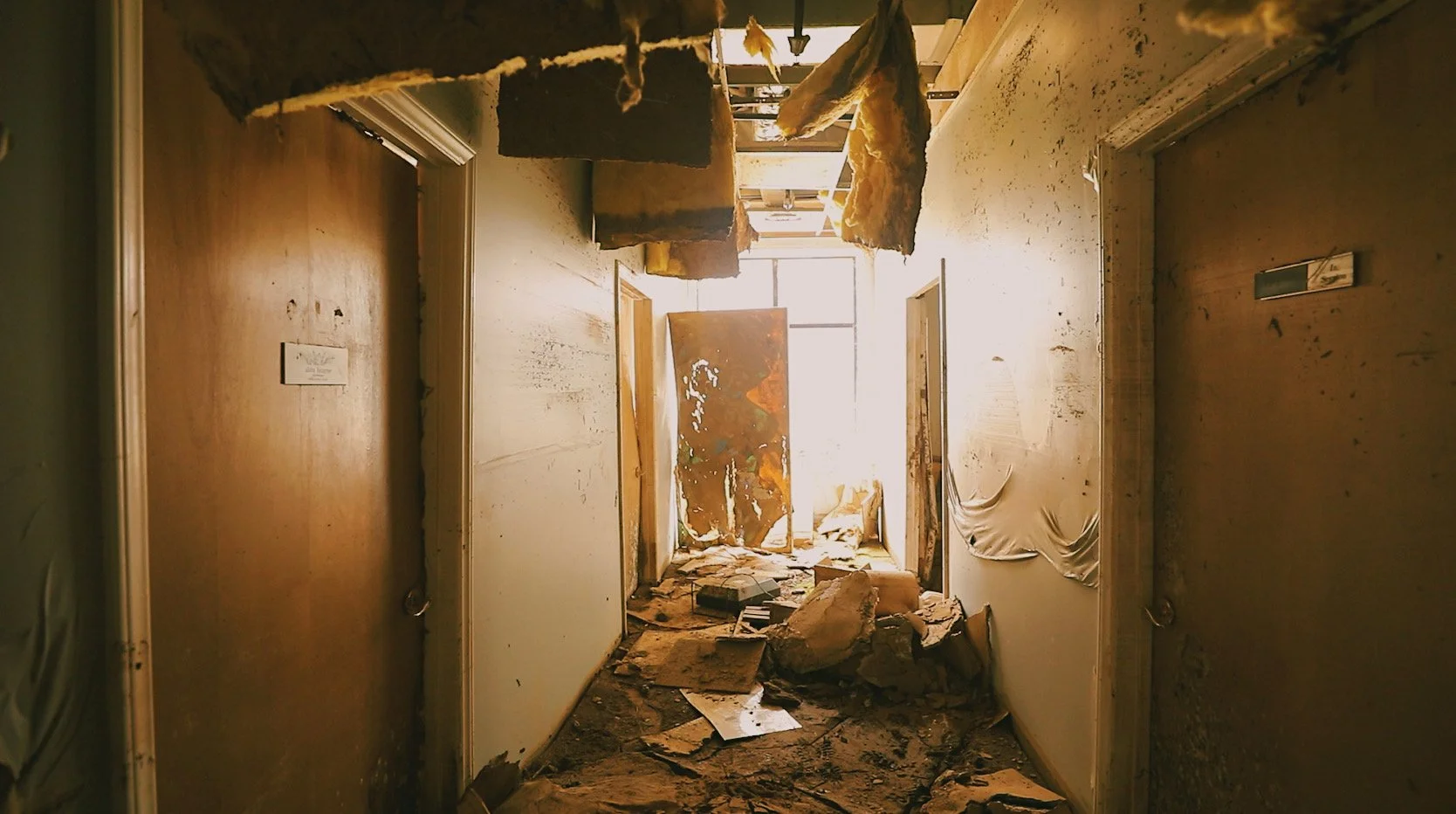
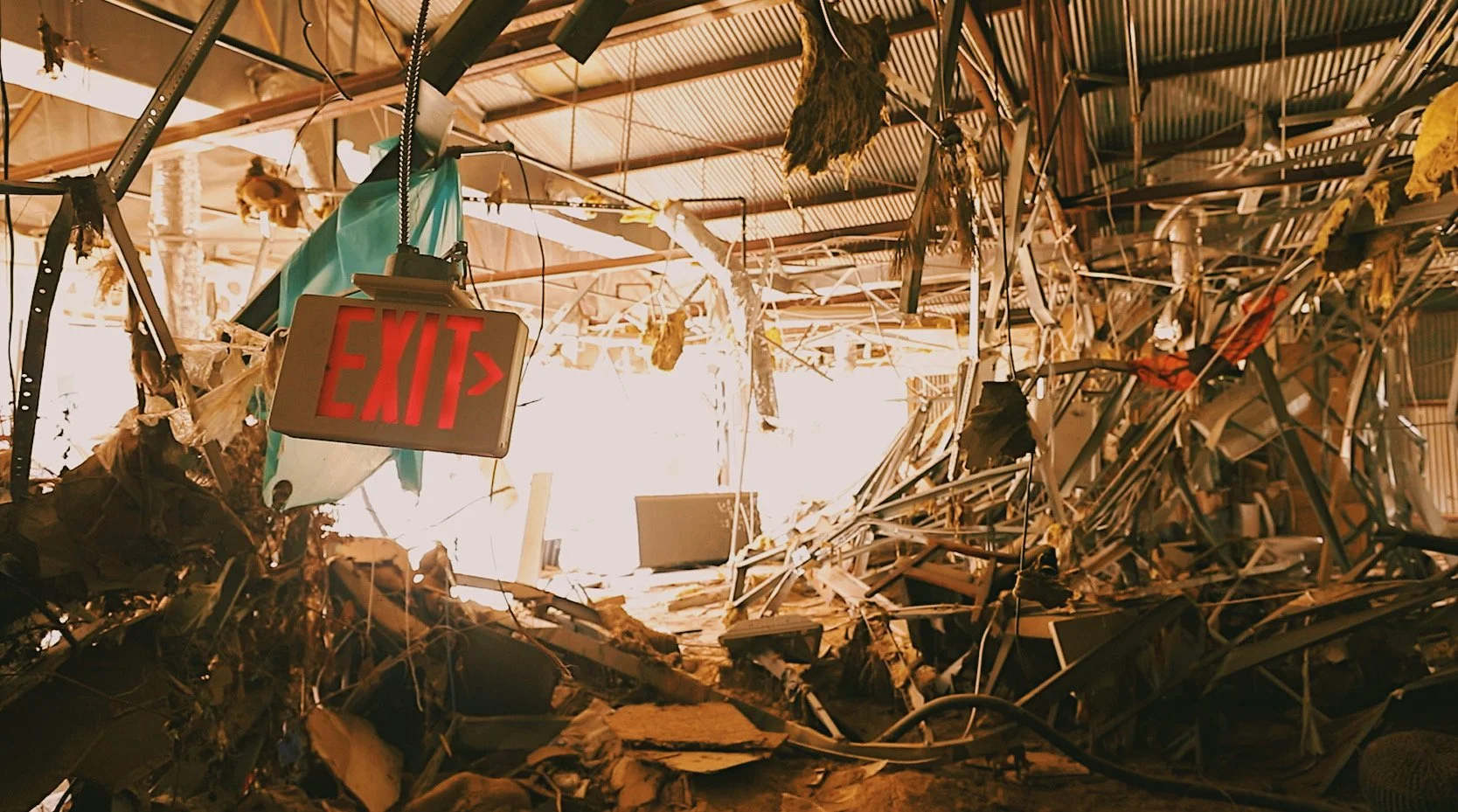
The mud still swallows your boots along the banks of the French Broad River. Twisted metal protrudes from eroded soil. Shattered wood, insulation, door handles, children’s toys, and fragments of photo albums remain tangled in tree roots after the floodwaters receded.
The National Weather Service recorded that between September 25th–27th, radar rainfall estimates in the region ranged from 12 to 20 inches. The French Broad River basin crested at approximately 24 feet—roughly the height of a two-story house. The river, central to the surrounding towns’ outdoor recreation economy, became a channel for debris, carrying pieces of homes, vehicles, and industrial buildings downstream. A total of 9,049,119 cubic yards of debris has been removed from western North Carolina in the wake of Hurricane Helene. The cleanup effort is part of a $116 million federally funded relief mission to aid in debris removal across the region. However, the environmental implications stretch far beyond visible debris. Floodwaters carried construction material, sharp metal, and unstable wreckage, which remain hazards for wildlife and residents alike. Waterway debris removal operations began in February 2025.

At 9,049,119 cubic yards, the amount of debris would occupy the equivalent capacity of six supercontainerships.

Of that, 6,618,250 cubic yards were cleared from waterways, enough to fill roughly 4.5 supercontainerships.

“We are picking up trash, but it’s sensitive. These are people’s lives. These are people’s homes.”
-
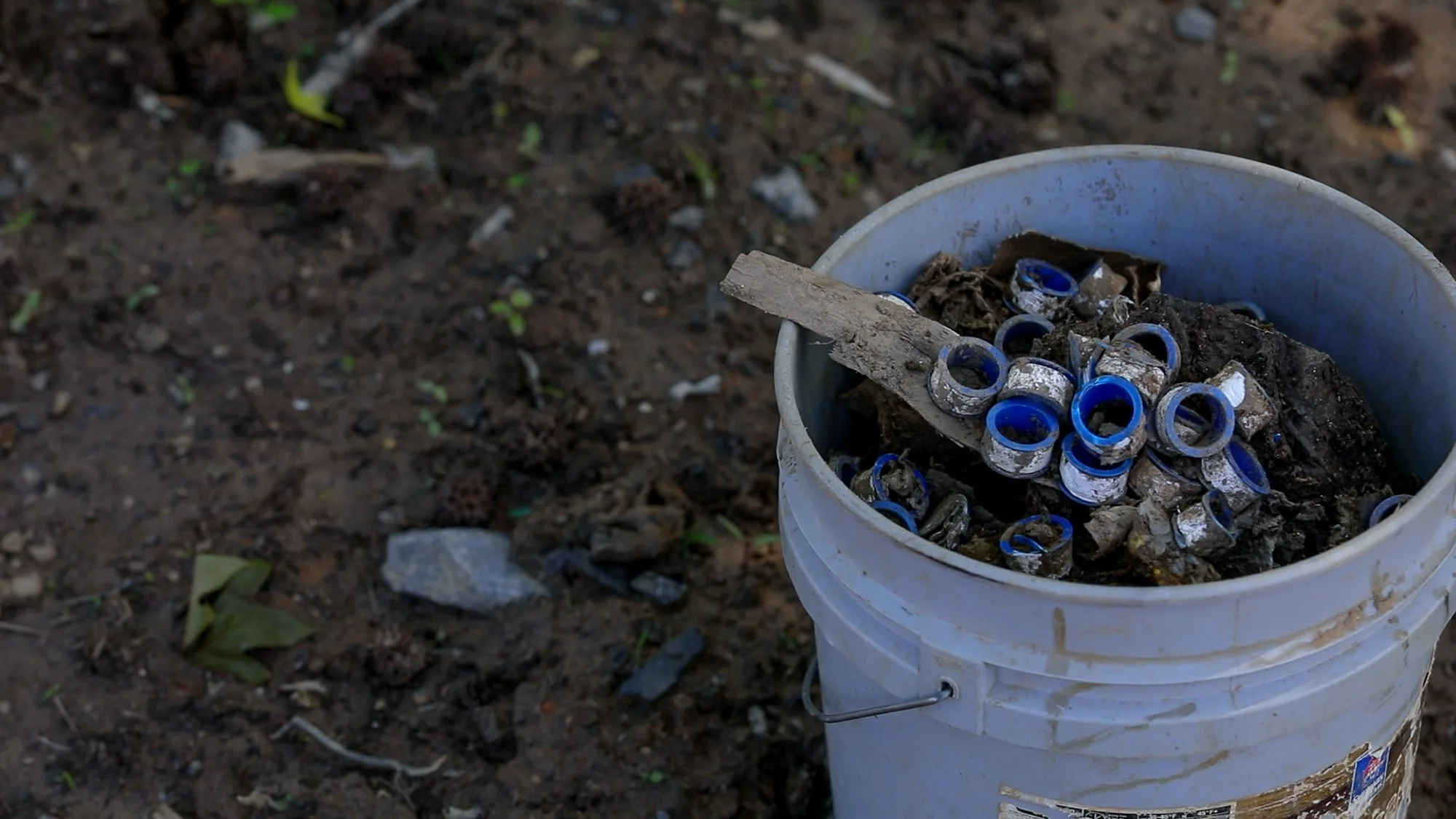
![A bucket filled with handpicked trash brought down the French Broad district from a local Lowes that was destroyed by the hurricane. The flooding swept away tons of PVC sewage piping, scattering debris throughout the area.]()
A bucket filled with handpicked trash brought down the French Broad district from a local Lowes that was destroyed by the hurricane. The flooding swept away tons of PVC sewage piping, scattering debris throughout the area.
-
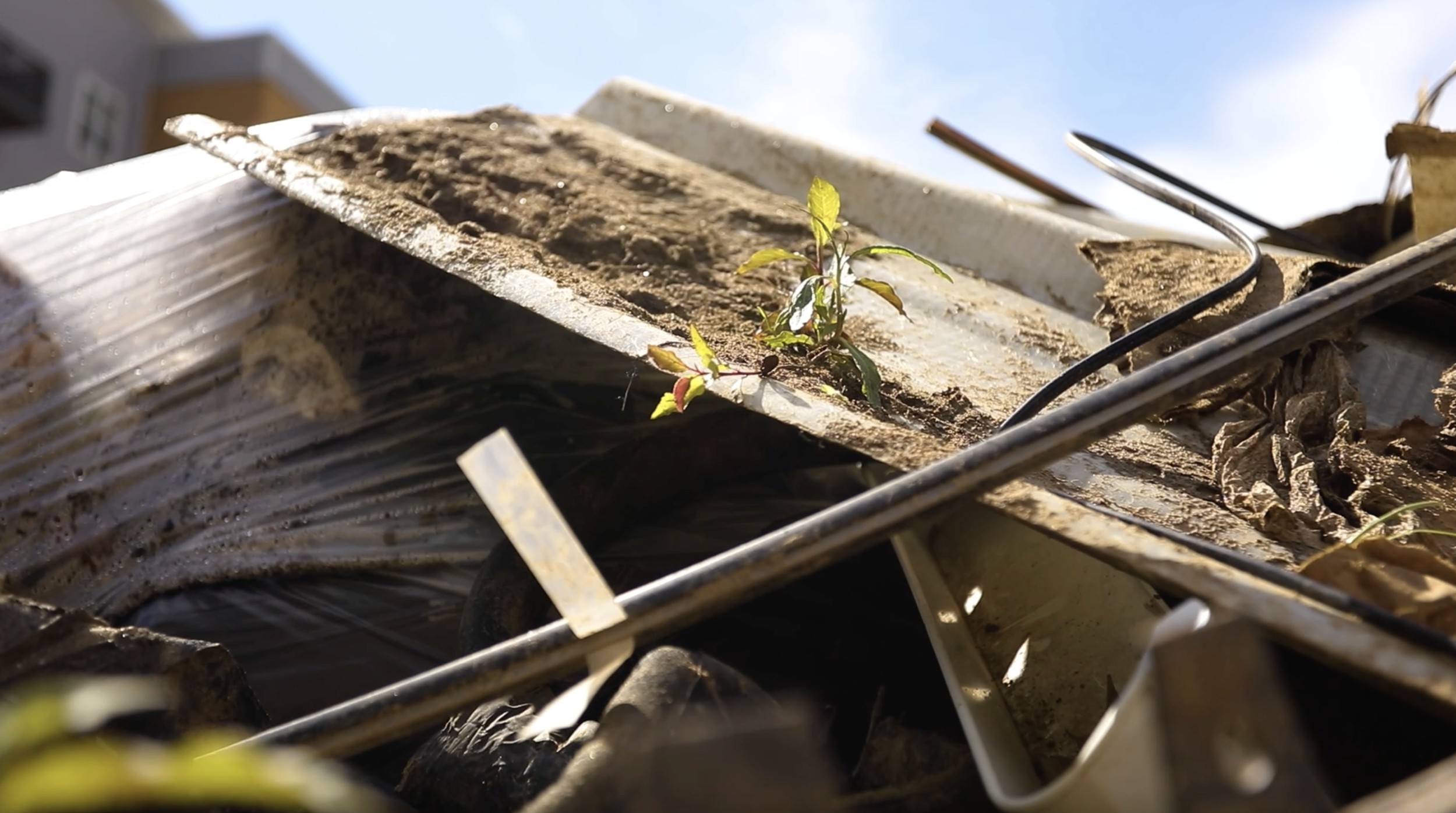
![A small uprooted plant stands on top of pieces of deconstructed roofing along the French Broad River. MountainTrue nonprofit has collected over 400,000 pounds of hand-picked trash as of may 2025.]()
A small uprooted plant stands on top of pieces of deconstructed roofing along the French Broad River. MountainTrue nonprofit has collected over 400,000 pounds of hand-picked trash as of may 2025.
-
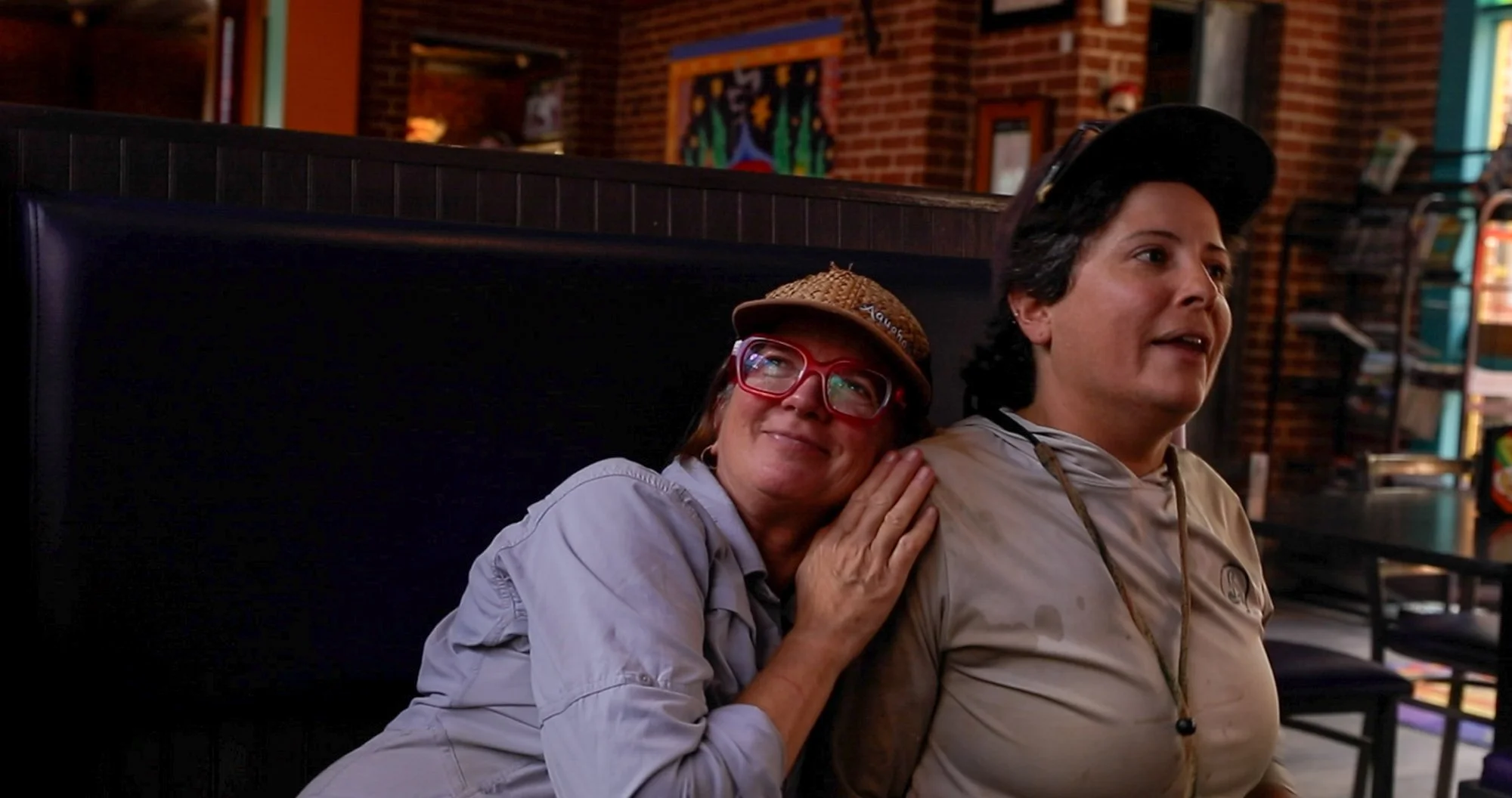
![Mandy Wallace lovingly leans on Leslie Beninato during their lunch break at Mellow Mushroom. A quiet moment that reflects the deep bond the team has formed through their time together.]()
Mandy Wallace lovingly leans on Leslie Beninato during their lunch break at Mellow Mushroom. A quiet moment that reflects the deep bond the team has formed through their time together.
-
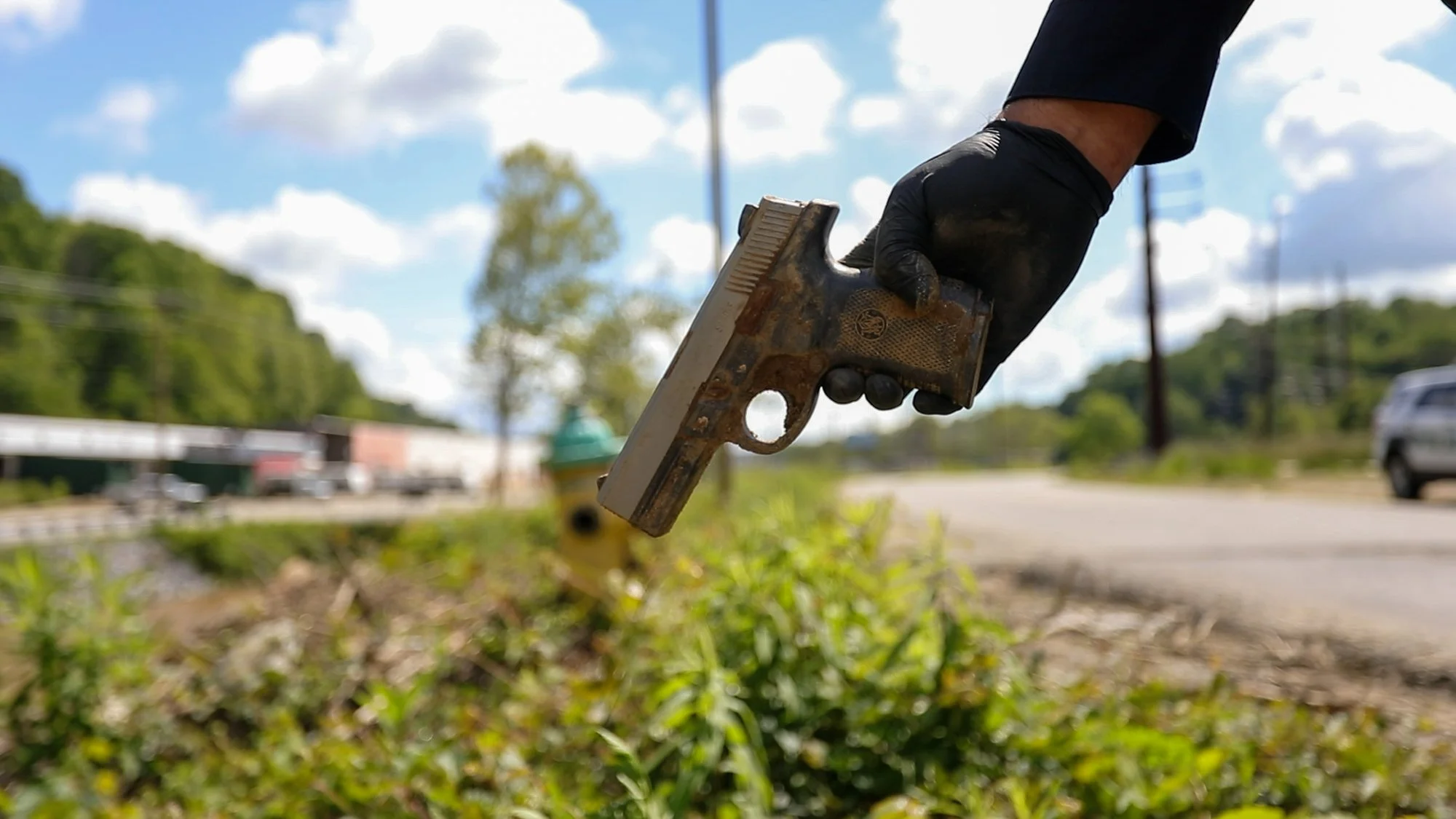
![An Asheville policeman holds a handgun that was uncovered in the mud along the French Broad by Wynn Arellano. A small glimpse into the plethora of items the team finds during their work day.]()
An Asheville policeman holds a handgun that was uncovered in the mud along the French Broad by Wynn Arellano. A small glimpse into the plethora of items the team finds during their work day.
-
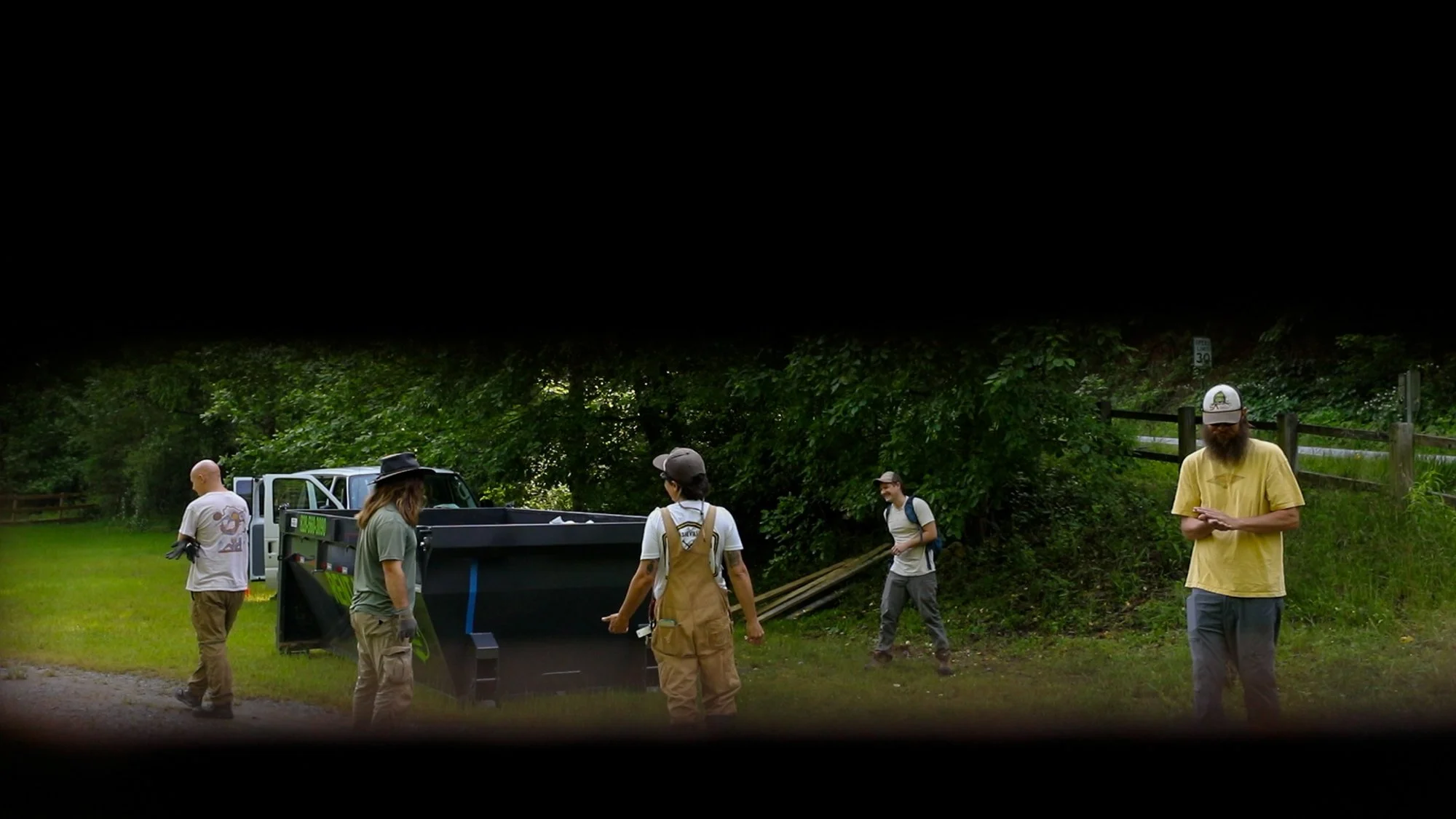
![The River Clean Up Crew prepare to take on the debris at Big Hungry Waterfalls south of Asheville. "There's a lot of river to cover and a lot of trash to pick up. So, we'll be here for a long time," Leslie Beninato.]()
The River Clean Up Crew prepare to take on the debris at Big Hungry Waterfalls south of Asheville. "There's a lot of river to cover and a lot of trash to pick up. So, we'll be here for a long time," Leslie Beninato.
-
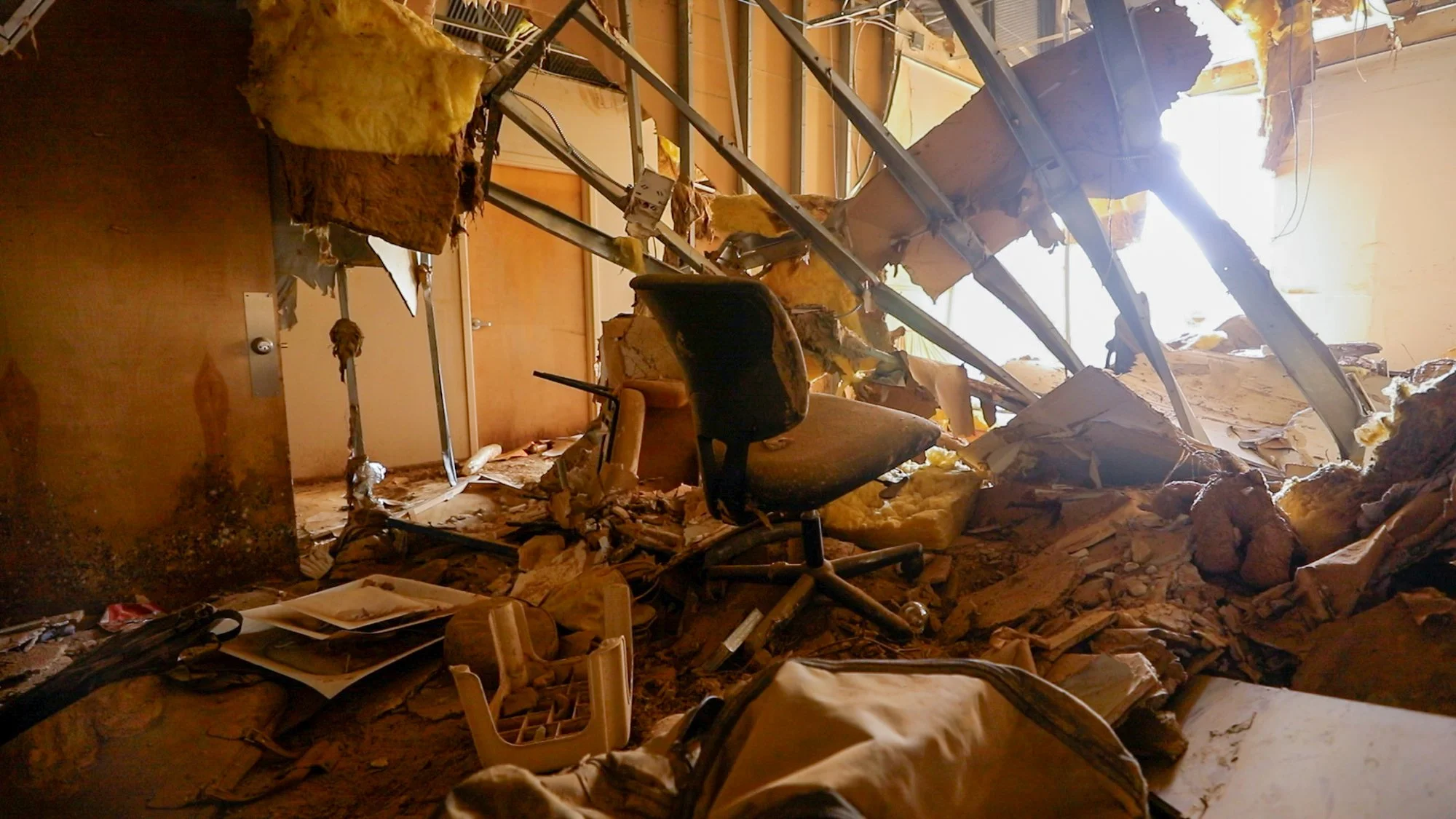
![A mental health office in Asheville, North Carolina, sits in shambles after floodwaters from the nearby French Broad River surged through the space.]()
A mental health office in Asheville, North Carolina, sits in shambles after floodwaters from the nearby French Broad River surged through the space.
-
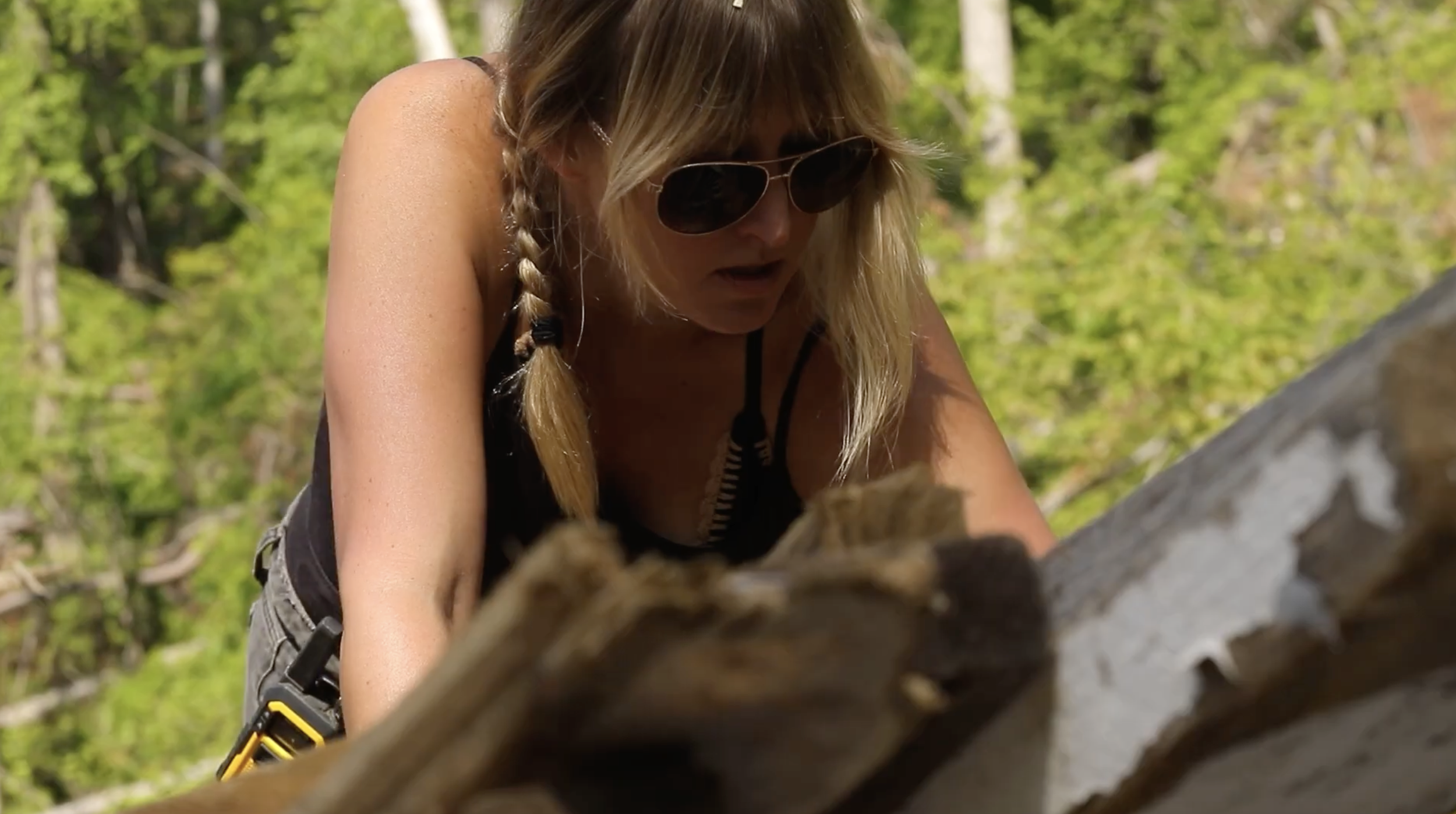
![Liz McGuirl hauls splintered wood from a clean up site at the Big Hungry Trail, NORTH CAROLINA as part of ongoing recovery efforts following the river flooding.]()
Liz McGuirl hauls splintered wood from a clean up site at the Big Hungry Trail, NORTH CAROLINA, as part of ongoing recovery efforts following the river flooding.
-
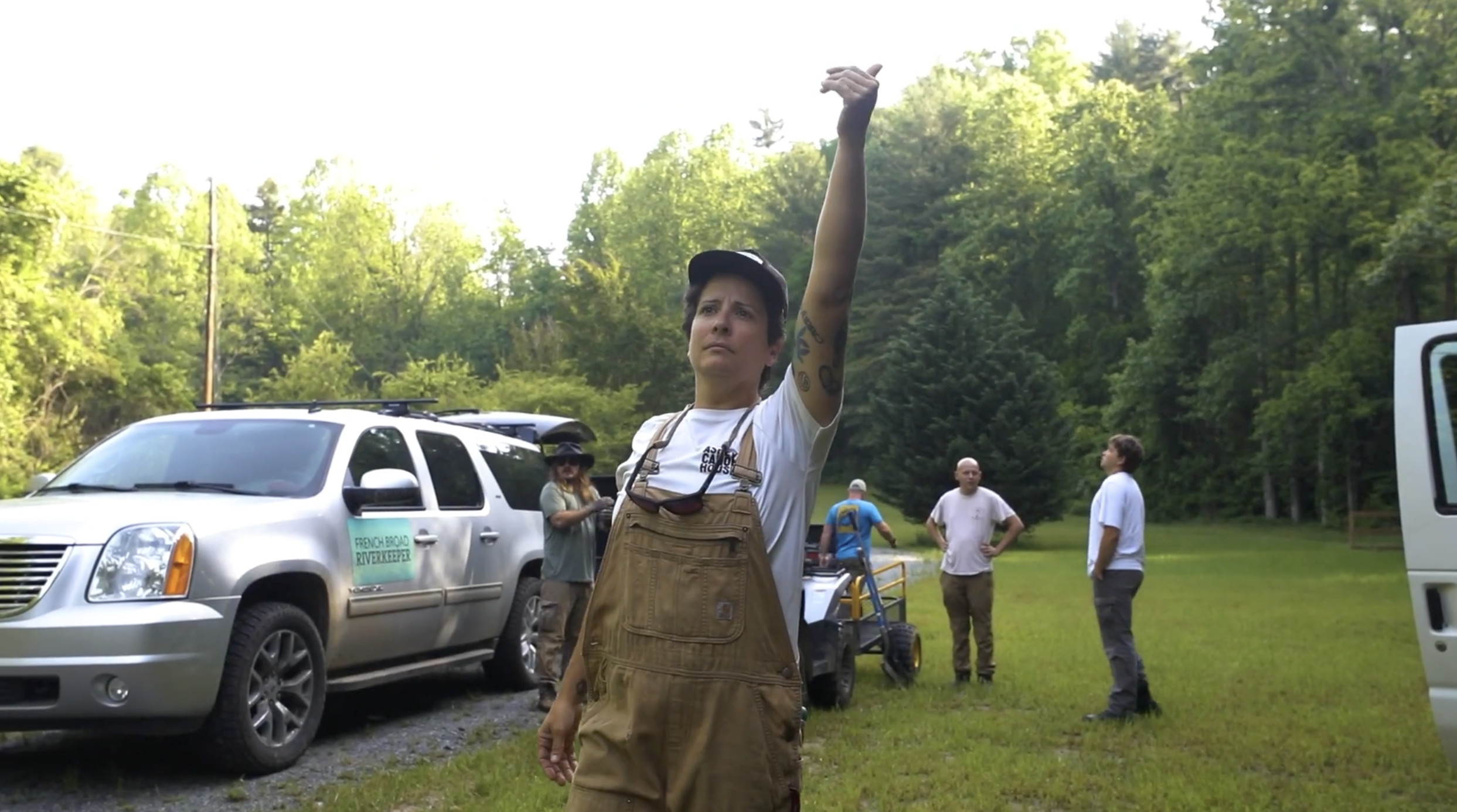
![Leslie Beninato directs a cleanup crew’s excavator before the start of their morning debris removal efforts.]()
Leslie Beninato directs a cleanup crew’s excavator before the start of their morning debris removal efforts.
-
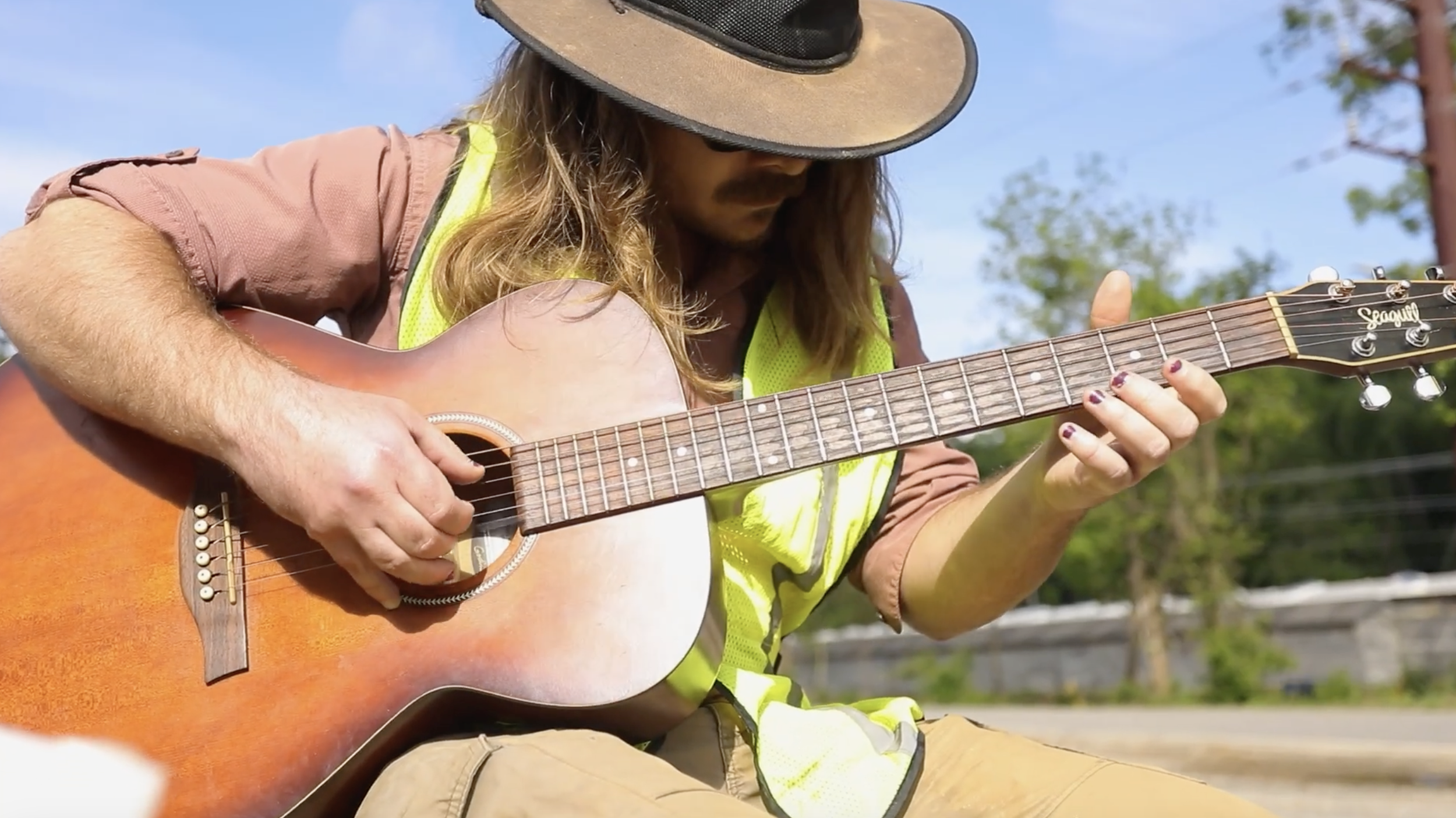
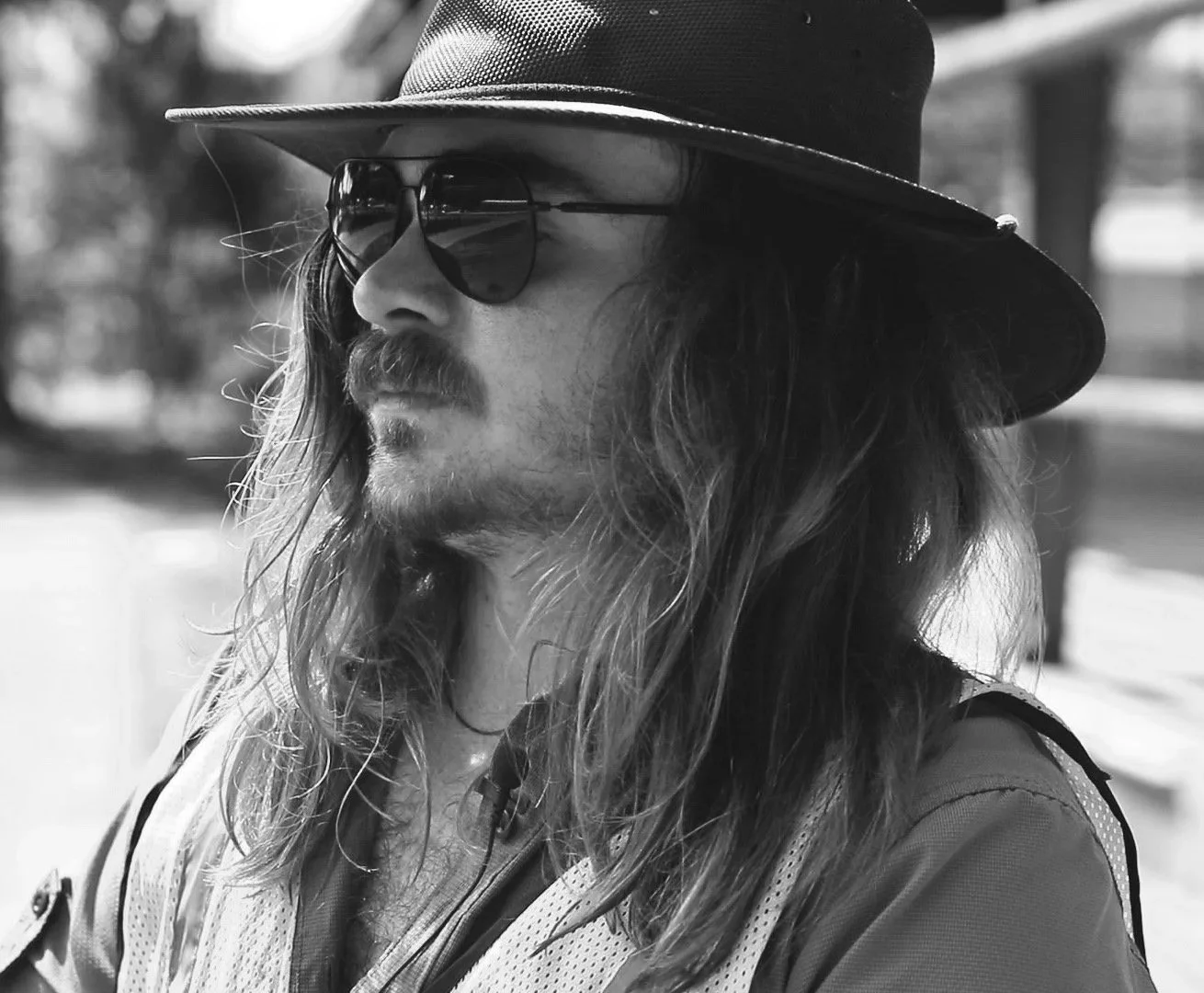
![During a lunch break, Chris Hlavay strums his guitar for the cleanup crew.]()
During a lunch break, Chris Hlavay strums his guitar for the cleanup crew.
-
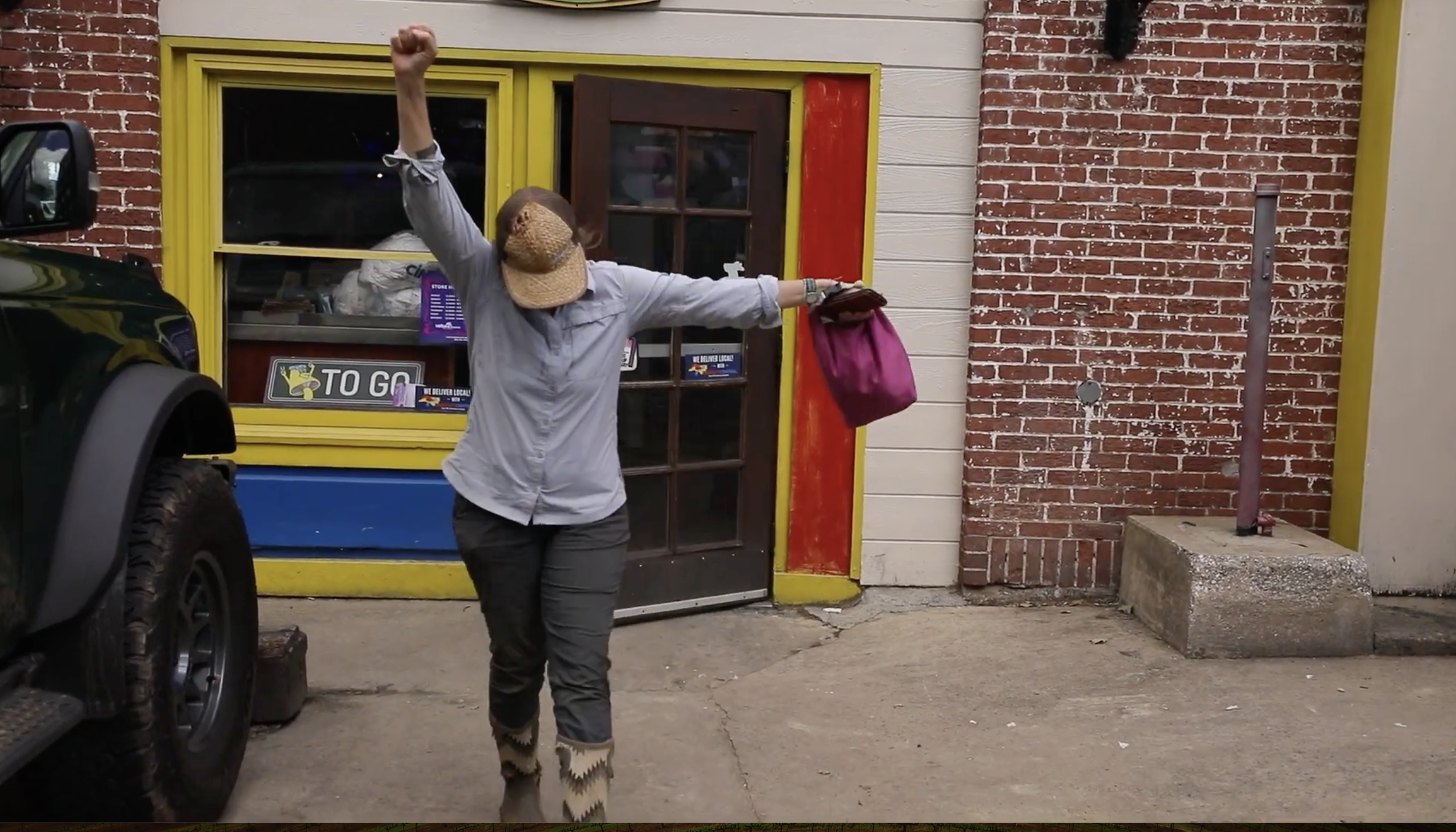
![The Motivated Mandy Wallace pumps her fist as she prepares to continue a long day of work.]()
The Motivated Mandy Wallace pumps her fist as she prepares to continue a long day of work.
-
![Along the riverbank, three cleanup crew members comb through flood debris to restore the French broad river.]()
Along the riverbank, three cleanup crew members comb through flood debris to restore the French broad river.
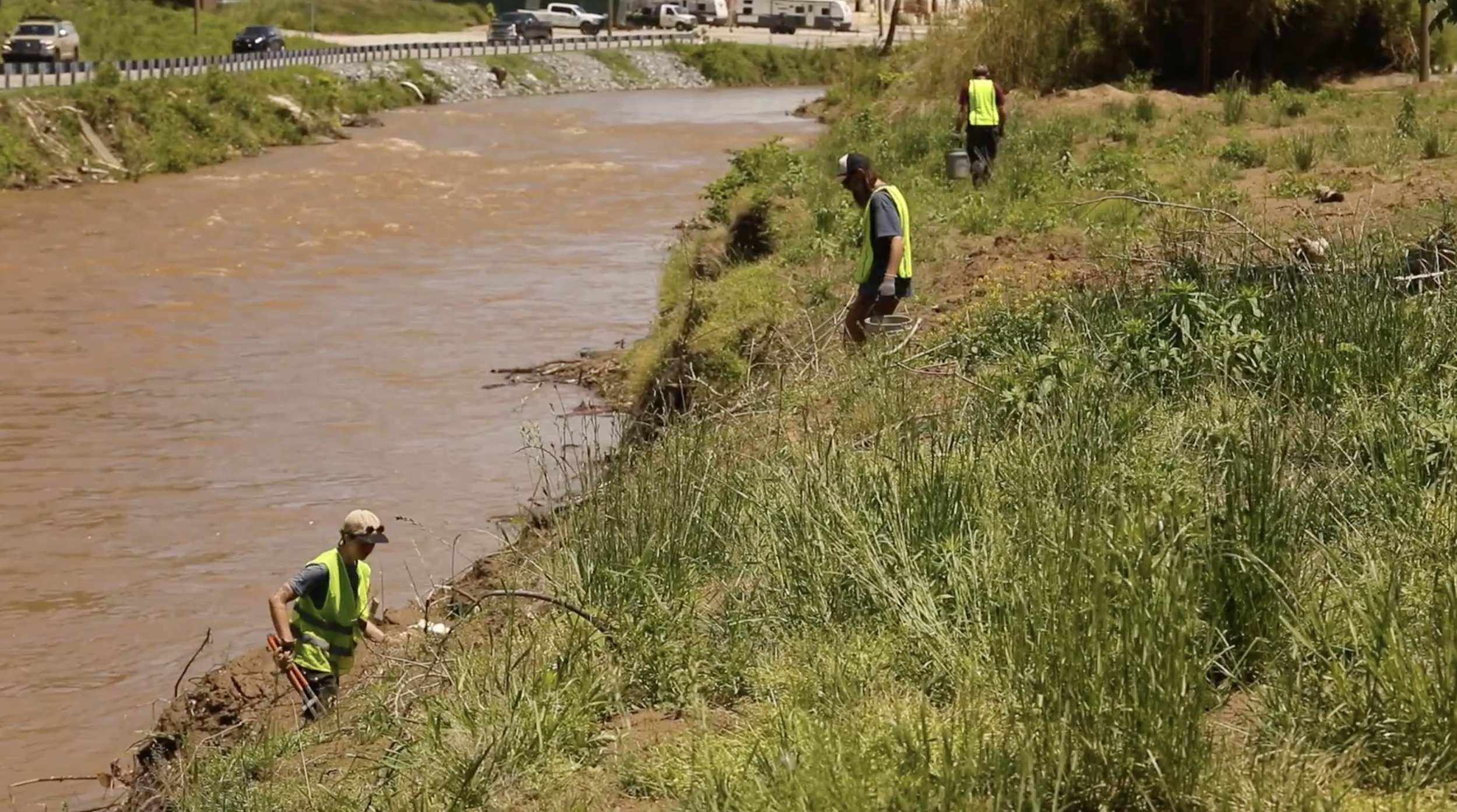
The Western North Carolina River Cleanup Crew was formed from the parent non-profit MountainTrue. Most of the crew has a background as former raft guides and river caretakers, making them uniquely equipped for this role. They understand the river. In their first eight weeks of hurricane recovery, the team hand-removed approximately 65,000 pounds of debris from local rivers and tributaries. On average, crew members hauled between 200 and 250 pounds of trash per person per day from unstable banks and swift currents. From laughter-filled car rides and muddy high-fives to buckets filled with people’s lives washed up from the flood, the group finds transformation and healing through community.
“It’s one thing to see it on the news. It’s another thing to be rifling through it yourself. ”
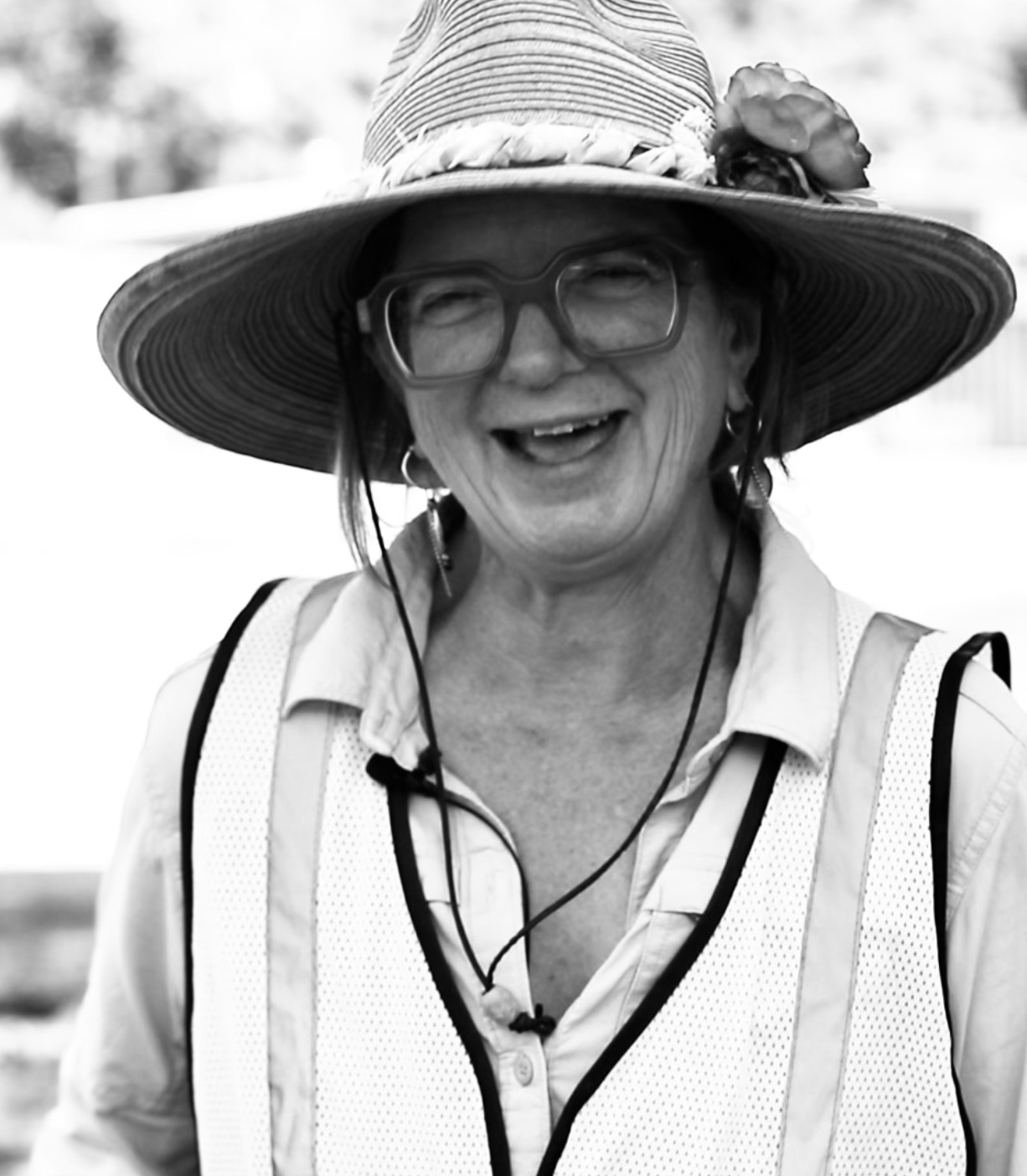
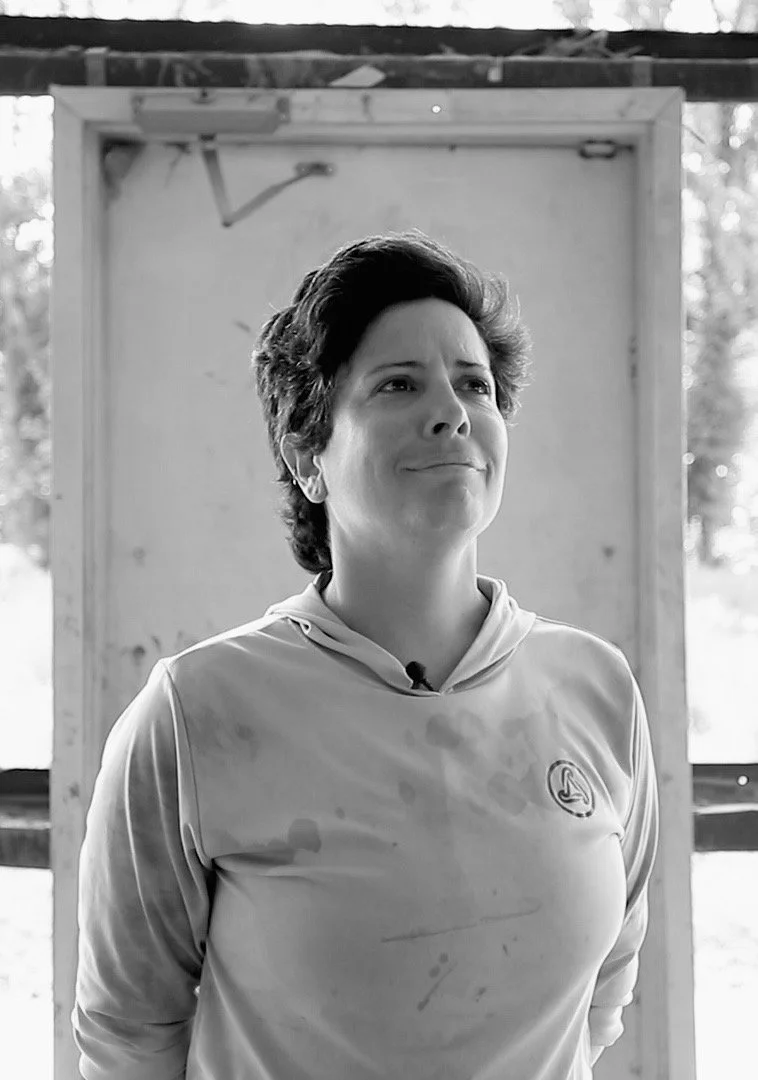
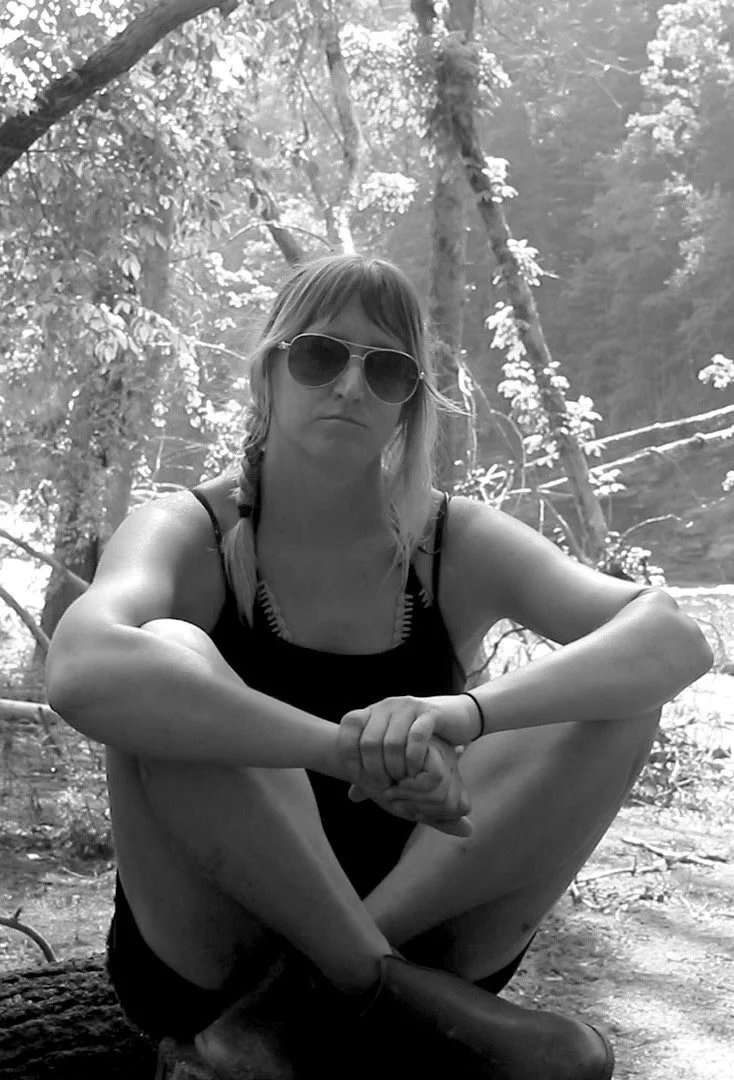
Liz McGuirl
Mandy Wallace
Leslie Beninato
Chris Hvalay